
Trust is at the core of an aligned and healthy boardroom culture, and you won’t grow your business unless you build a powerful leadership team.
We know it’s easy to get caught up in day-to-day urgent issues, deadlines and future projects. Still, Forbes states that ‘The best leadership teams are deliberate about prioritizing their time and energy to ensure they focus on the most strategic aspects of their collective role.’
In other words, the company’s health, wellbeing and growth rely on the health, wellbeing and growth of the team at the helm.
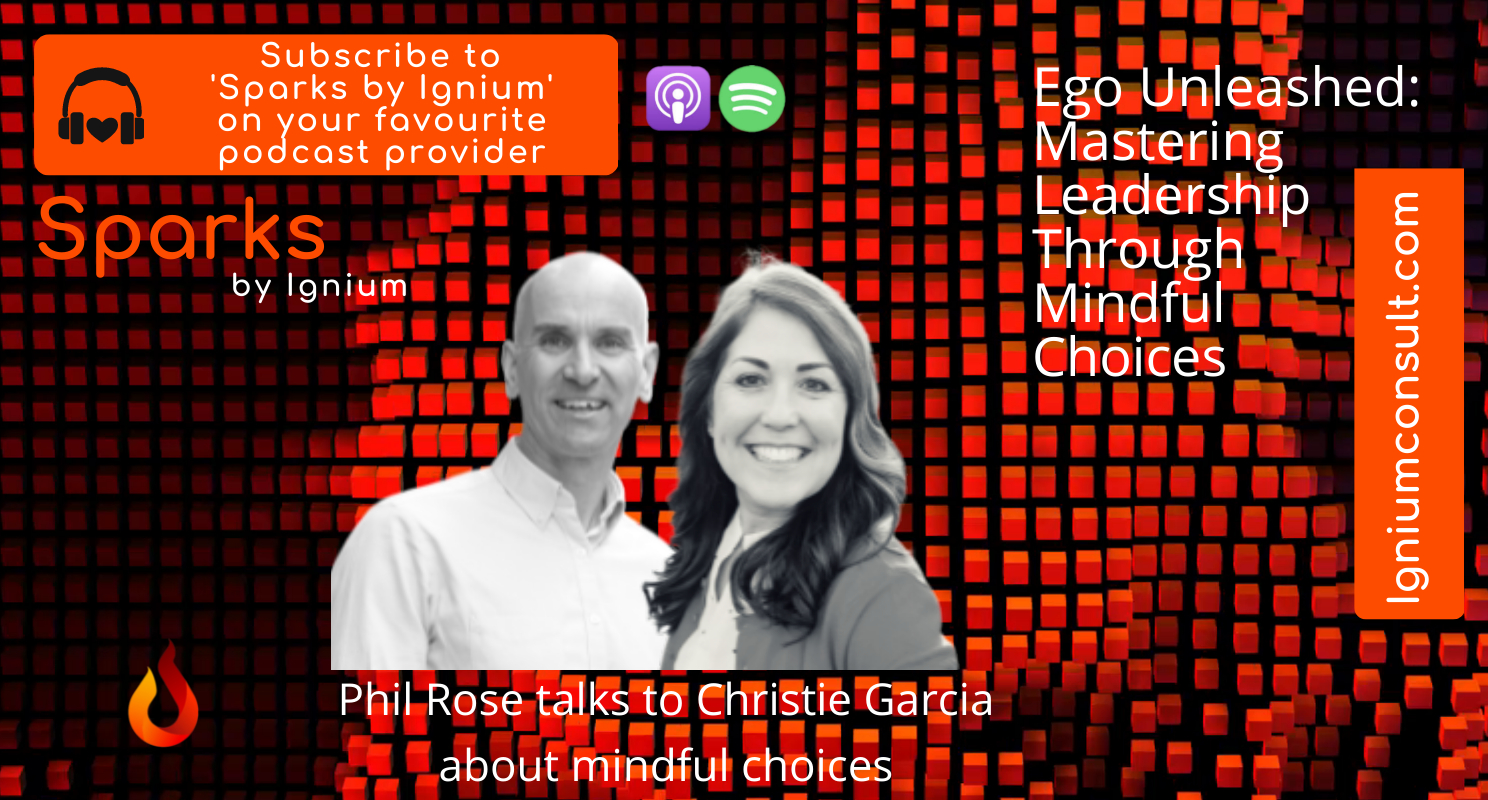
How easy is this when ego enters the boardroom? We talk to leadership coach, speaker and founder of the Mindful Choice Leadership Academy, Christie Garcia about the protective nature of ego and what’s really happening when it gets out of hand.
What is ego?
In this context ‘It’s the unconscious brain’ Christie explains. It displays itself in habits, behaviours and beliefs that can affect how we coach, mentor and manage others, communicate, respond to stress and delegate. Often we are unaware of what we’re doing even if others are feeling the impact.
What if we were to make more mindful choices? When we feel trapped in a way of doing things, it can be a sign that the ego is trying to protect us. This in itself is not bad as it has seen us to safety in the past but it may no longer be serving us – or the people we’re working with.
But if it’s affecting our reactions to other people or blocking the natural collaboration and healthy conflict necessary for business development something needs to be done.
Three steps to making friends with your ego
What if, rather than being an obstacle, a nudge from our ego becomes a signpost?
‘The ego reflects and judges other people’s decisions, especially when we’re making the same unconsciously’ Christie goes on.
So naturally the first step is self-awareness. Getting to know your best self and not-so-best self may take some self-reflection. Beyond this, getting an honest perspective on how your behaviours and words affect other people may involve inviting external feedback or using an in-depth profile tool.
The response may prickle the ego into getting defensive or shutting you down. Just because we’ve heard feedback, doesn’t mean we’re going to change so the next step is acceptance and ownership. You learn the visceral feelings of your behaviours and the beliefs and mindset behind them. Pausing allows time to notice the gap between your actions and your intentions. You become more present and less judgemental of yourself and others.
This leads us to the third step where we can take action from a place of empathy – for ourselves and others.
The ego wants us to get it right 100% of the time but none of us are perfect and that’s OK. It’s a work in progress, especially if you’re a leader. ‘It builds trust,’ Christie says, ‘people know they can count on you because you have vulnerability and integrity and you’re doing what’s right.’
By being self-aware, pausing and intentionally weighing up the choices in front of us we can respond rather than react, becoming more present.
Ego isn’t the bad guy
What if we were to reconceptualise ego to see it as a protective force? It only becomes a problem when it’s in overdrive or making all the decisions.
Christie explains that we have three egos at play and issues arise when they’re out of balance:
- Compiler.
- Protector.
- Controller.
What are their characteristics, what happens when one becomes dominant and how do we know when they’ve got out of hand? Tune into the Ego Unleashed episode of The Sparks by Ignium podcast to find out.
4 vital pieces of advice
Christie finishes with four suggestions for how to build a powerful leadership team by leveraging ego:
- Get hardcore external feedback on your habits, behaviours and communication. It may sting but it will give you the chance to change by choice.
- Hear it and own it.
- Be 1% better every day. The ego wants to create ambitious goals, to be all or nothing but that’s not sustainable. Work in increments.
- Learn to dance in the chaos. The ego wants to avoid chaos but life is messy. Enjoy the process of learning and then move on.
So should we keep ego out of the board room? For a stronger, better-aligned team that will be the driving force behind impactful growth, the answer is no. We could be missing out on powerful signals, points of connection and the glue of our humanity. By being self-aware, building empathy and taking action from what we learn we can step forward with insight and energy.
Find this episode along with in-depth advice on all aspects of successfully scaling a business in our comprehensive Spark Tank – or search Sparks by Ignium on your favourite podcast platform.
Ready to take the next step? Get in touch with the Ignium team today.